-
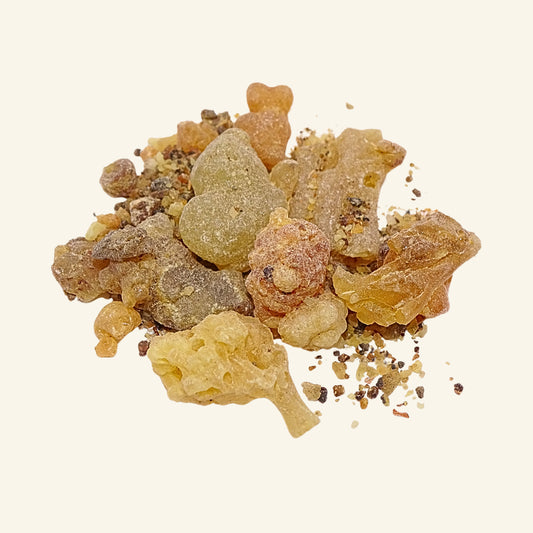
Black Copal (Peru)
Regular price From CHF 9.40Regular priceUnit price per -
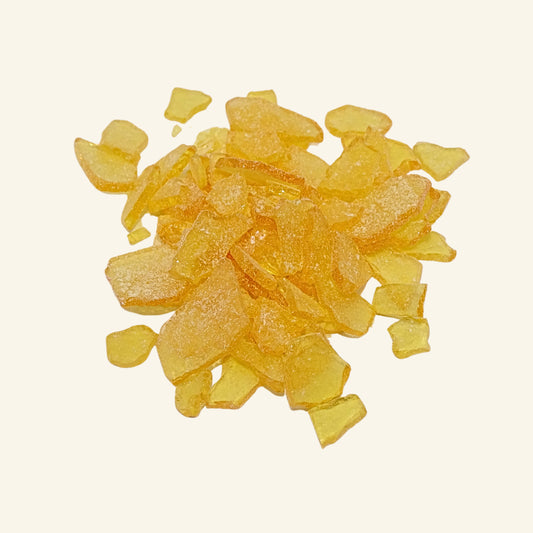
Spruce resin
Regular price From CHF 6.40Regular priceUnit price per -
Myrrh Peru
Regular price From CHF 9.60Regular priceUnit price per -
Copal Blanco
Regular price From CHF 9.40Regular priceUnit price CHF 9.40 per 10g -
Pine resin
Regular price From CHF 5.40Regular priceUnit price per




Let customers speak for us


Philipp Häusler
Ich kann mich nur Bedanken für ein Rapé
Das tiefe und Liebe vereint.
Und nach meinem Geschmack ein sehr reines intuitives rapé das sich sehr schön entfaltet hat.
Ich hatte wirklich eine schöne spirituelle Erfahrung in der Sonnenfinsternis Nacht.
Einfach Danke nochmals für eure super schnelle Bestellung sehr erfreulich ein Shop der für mich alles erfüllt.
Alles Liebe Eri Sto

Anonym
Die Produkte, die Verpackung, der Versand – in allem spürt man den Respekt und die Liebe zur Waldmedizin. Dafür danke ich euch von ganzem Herzen.

Anonym
Die Produkte, die Verpackung, der Versand – in allem spürt man den Respekt und die Liebe zur Waldmedizin. Dafür danke ich euch von ganzem Herzen.

Anonym
Very beautiful rapé, excellent customer service, fast shipping - much gratitude!

Anonym
Wie immer super schnelle Lieferung! Alles kam zügig und problemlos an. Bin sehr zufrieden.
Anonym
Der Vitalpilz Kakao schmeckt gut und fühlt sich irgendwie richtig gesund an, vor allem wegen den Vitalpilzen. Ich mag, dass es nicht einfach nur normaler Kakao ist, sondern noch was Gutes für den Körper dabei hat. Trinke ich gerne und würde ich wieder kaufen.

Anonym
Ich bin mittlerweile total begeistert von San Roque Kakao. Schon nach der ersten Tasse war ich überzeugt: Der Geschmack ist intensiv, natürlich und angenehm vollmundig. Inzwischen ist der Kakao zu meinem täglichen Ritual geworden – ich trinke ihn wirklich jeden Tag. Er gibt mir einen ruhigen, wohltuenden Moment und fühlt sich einfach besonders an. Ich liebe ihn und werde ihn definitiv wieder kaufen.

R P
Dieser Kakao sieht aus wie ein großer Block Schokolade, was ich sehr praktisch finde, da er sich leicht in einzelne Portionen aufteilen lässt. Außerdem ist er in Bio-Qualität, was für mich ein großer Pluspunkt ist.
Geschmacklich gefällt er mir sehr gut – ich trinke ihn am liebsten mit etwas Honig und Sahne, was ihn besonders cremig und angenehm macht.
Insgesamt ein hochwertiges Produkt, das ich gerne weiterempfehle.

Anonym
Ich habe bereits mehrere Produkte in diesem Shop bestellt und bin sehr zufrieden. Die Qualität der angebotenen Produkte ist durchweg sehr gut, und die Lieferung erfolgt schnell und zuverlässig.
Der Shop wirkt insgesamt sehr vertrauenswürdig, und meine bisherigen Erfahrungen waren durchweg positiv. Ich kann ihn definitiv weiterempfehlen.
R P
ch bin wirklich begeistert von diesem zeremoniellen Kakao. Die Qualität ist außergewöhnlich hoch und man merkt sofort, dass es sich um ein sehr hochwertiges Produkt handelt. Besonders schätze ich, dass kein zusätzlicher Zucker enthalten ist – der natürliche Geschmack kommt dadurch viel besser zur Geltung.
Außerdem ist dieser Kakao nicht einfach in normalen Geschäften erhältlich, was ihn noch besonderer macht. Für mich ist er definitiv etwas Einzigartiges.
Ich werde ihn auf jeden Fall regelmäßig nachbestellen und kann ihn absolut weiterempfehlen.

Other products

Agua de Florida (270 ml Peru)
CHF 22.90


Kuripe - Rapé Applicator
CHF 39.00

Ceremonial - Organic Raw Cacao Mass - Criollo Drops - Amazon Region - Peru
CHF 16.90 - CHF 34.90
150 grams
250 grams
450 grams


Popular Categories
-

Traditional rapé from the Amazon
Buy Traditional Rapé (Hapeeh) in Switzerland – The Essence of the Forest...
-

Raw cacao & ceremonial cacao
Raw cacao & ceremonial cacao Cacao can be so much more than...
-

Pearl earrings
Listen to the songs of the Amazon Adorn yourself with more than...
-

White Sage & Bundle
White Sage & Incense Bundles for Mindful Rituals Sometimes we need a...
-

Incense Burners & Incense Accessories
Incense Accessories – Tools for Mindful Rituals An incense ritual does not...
-

Indigenous Pearl Necklaces
Woven Prayers of the Forest Are you looking for a necklace that...
-

Shamanic Instruments & Maracas
Instruments to carry your ritual Find the instrument whose sound resonates with...
-

Ritual Water & Perfumed Water
Sacred Scents – The Essence of the Plant Spirits Would you like...
-

Incense Resins & Copal
The Primal Power of Trees Resins are among the oldest incense materials...
-

Incense Herbs & Flowers
Flowers & Herbs for Smudging – The Subtle Power of Plants Some...